Author: lc

  • Natural Link Building: Earning Backlinks Naturally Without Outreach

    Natural Link Building: Earning Backlinks Naturally Without Outreach

    Natural link building has become one of the most important parts of modern SEO. Search engines have become far more selective about the links they reward, and the days of relying on large scale outreach or manufactured link schemes are long gone.

    The strongest links today are the ones you earn because your content genuinely deserves attention. These are the links that signal trust, authority and relevance. They are also the links that help you build a long term search presence that is resilient to algorithm updates.

    This guide takes a deep look at what natural link building really means in 2026, why it matters more than ever, and how to build a repeatable system that earns high quality backlinks without relying on cold outreach.

    You will find practical examples, industry specific tactics, a clear framework and a detailed explanation of how to measure your progress.

    You will also learn why monitoring your existing backlinks is essential, because even the best natural links can quietly disappear if you are not watching them.

    The goal is to give you a complete, actionable blueprint that works for any website, whether you are running a local business, a SaaS product, an ecommerce store or a content driven publication.

    What Natural Link Building Actually Means

    A natural link is a backlink that another website chooses to give you because your content is useful, interesting or worth referencing. There is no exchange, no request and no incentive. It is earned purely on merit.

    Natural link building is the process of creating the conditions that make these links more likely to happen. It is not passive. It is strategic. It requires understanding what people link to, how they discover content and what encourages them to cite your work.

    A natural link profile usually includes a mix of:

    • Branded anchor text
    • Naked URLs
    • Mentions from relevant sites
    • Links from articles that reference your data, insights or tools
    • Links from journalists or bloggers who found your content organically

    These patterns are exactly what Google expects to see when a site is growing in a healthy and trustworthy way. They are also the patterns that help you avoid penalties and maintain stable rankings over time.

    Why Natural Link Building Matters for SEO

    Natural links carry more weight than links you build manually. They are harder to manipulate and therefore more reliable as ranking signals.

    When Google sees a steady flow of natural links, it often interprets this as a sign of genuine authority.

    There are several reasons natural link building has become essential.

    Natural links support long term rankings

    Manual link building can work, but it often creates a footprint. Natural links do not.

    They grow at a pace that reflects real interest in your content, which is exactly what Google prefers. When your link profile looks organic, your rankings tend to be more stable.

    Natural link velocity looks authentic

    Link velocity refers to the speed at which your site gains backlinks. Natural link velocity is steady and consistent.

    It does not spike suddenly unless you publish something newsworthy. This pattern helps protect your site from algorithmic scrutiny.

    LinkClerk preview

    Effortless backlink management

    Audit, organise, and upgrade your links in minutes; not hours. We manage and monitor every backlink to improve your SEO and stay up to date.

    Natural links strengthen topical authority

    When people link to your content because it is genuinely helpful, it reinforces your expertise in that topic. This helps you rank for more keywords and improves your overall visibility.

    Natural links support AI driven search experiences

    AI powered search systems rely heavily on authority signals. They need reliable sources to reference. Natural links help position your site as a trustworthy source that AI systems are more likely to surface.

    Natural Link Building vs Outreach

    Outreach is not inherently bad. It is simply different. Outreach involves asking for links. Natural link building involves earning them.

    The key differences are:

    • Outreach is proactive. Natural link building is pull based.
    • Outreach relies on persuasion. Natural link building relies on value.
    • Outreach can be scaled artificially. Natural link building scales with quality.

    You can still use outreach to promote your content, but the goal should be to increase discovery, not to request links directly.

    When your content is strong enough, links follow naturally.

    The Natural Link Earning Framework

    To earn natural links consistently, you need a system. The following four stage framework gives you a clear structure you can apply to any website.

    Stage One: Link Earning Readiness

    Before you can earn links, your site needs to be ready for them. This includes several foundational elements.

    Understanding search intent

    If your content does not match what people are searching for, it will not attract links.

    Linkable content usually satisfies informational intent. People link to content that helps them explain something, understand something or support a point they are making.

    Improving content depth

    Thin content rarely earns citations. Comprehensive, well researched content does. This does not mean writing long articles for the sake of it.

    It means covering a topic thoroughly, answering the questions people actually have and providing insights that are not available elsewhere.

    Strengthening internal linking

    Internal links help Google understand which pages are important. They also help visitors discover your linkable assets.

    A strong internal linking structure ensures that your best content is easy to find and easy to navigate.

    Building trust signals

    People are more likely to link to a site that looks credible. This includes author bios, transparent contact details, clear branding and a professional layout.

    Trust signals matter because they influence whether someone feels comfortable referencing your work.

    Ensuring your site is technically sound

    If your site loads slowly, breaks on mobile or has confusing navigation, people are less likely to link to it. A technically sound site is a prerequisite for natural link building.

    Stage Two: Creating Passive Link Assets

    Passive link assets are pieces of content that naturally attract links over time. They work because they provide something others want to reference.

    Examples include:

    • Data studies
    • Industry benchmarks
    • Tools and calculators
    • Glossaries
    • Visual explainers
    • Local resource hubs
    • Long form guides
    • Research summaries

    These assets often become evergreen sources of natural links because they fill a gap in the market. They provide value that is difficult to replicate and easy to cite.

    Why passive link assets work

    People link to content that helps them explain something or support a point. A glossary helps explain terminology. A data study helps support an argument.

    A calculator helps illustrate a concept. These assets become reference points that others return to repeatedly.

    How to choose the right assets

    The best passive link assets are the ones that align with your industry and your audience.

    If you run a SaaS company, industry benchmarks or integration guides may work well. If you run a local business, local resource hubs or suburb guides may be more effective.

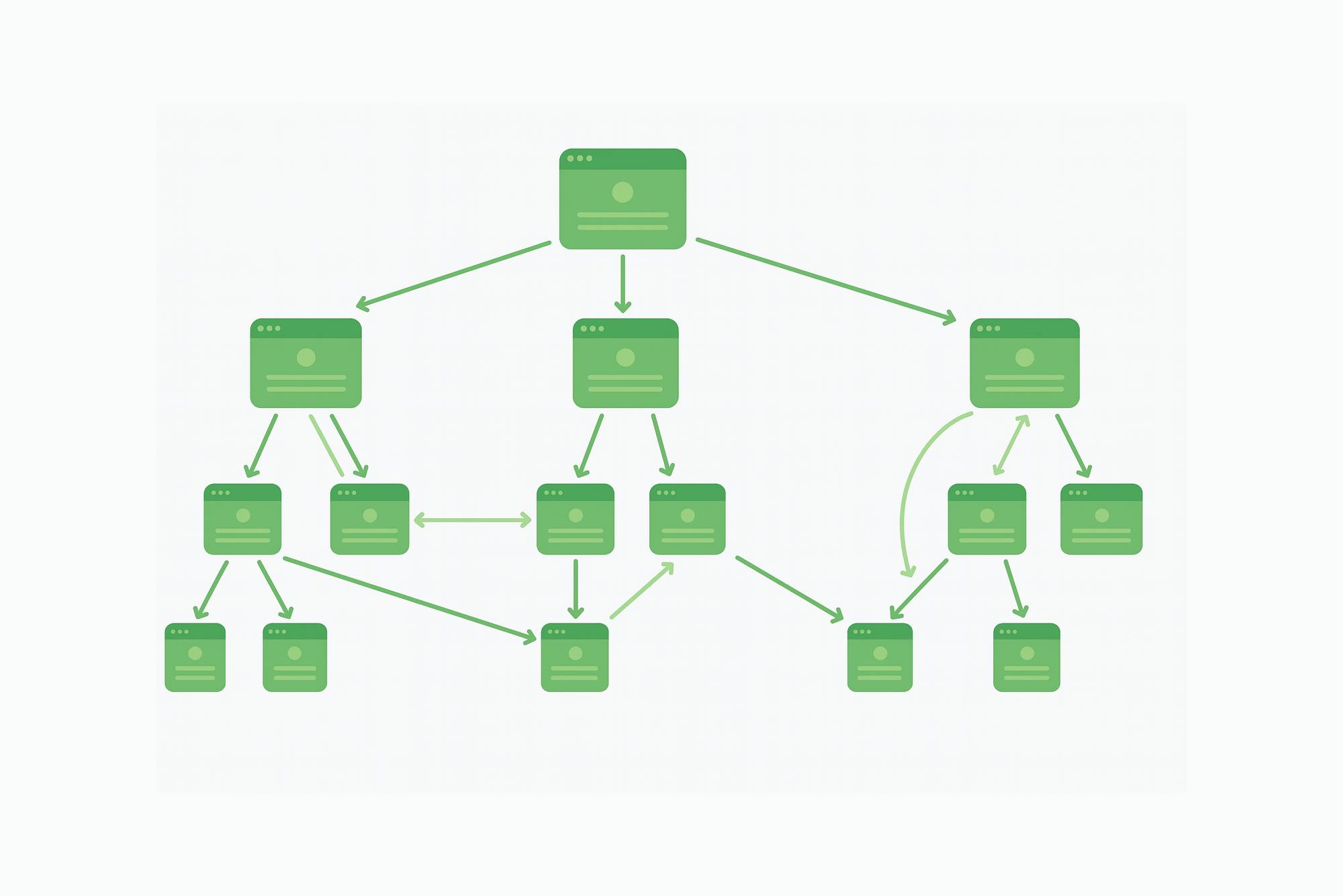
    Natural link building funnel graphic

    Stage Three: Building Natural Link Funnels

    A natural link funnel describes the path someone takes before linking to your content. Most people do not link immediately.

    They discover your content through search, social media, communities or other articles. They then return to it later when they need a reference.

    To support this process, you can:

    • Improve your rankings for informational keywords
    • Share your content in relevant communities
    • Publish summaries on platforms like LinkedIn
    • Encourage brand mentions through thought leadership
    • Make your content easy to cite with clear data points and quotes

    The goal is to increase the number of people who encounter your content in a context where linking makes sense.

    How journalists discover linkable content

    Journalists often search for data, definitions or examples when writing articles. If your content ranks for these queries, you increase your chances of earning natural links.

    How creators discover linkable content

    Creators often look for frameworks, templates or explanations they can reference. If your content provides these, you become a natural source for citations.

    Stage Four: Light Touch Promotion

    You do not need aggressive outreach to earn natural links. Instead, use gentle promotion methods that increase visibility without asking for anything.

    These include:

    • Sharing your content on social media
    • Posting in niche forums or groups
    • Publishing short versions on Reddit or Substack
    • Sending your content to your email list
    • Participating in industry discussions
    • Collaborating with creators who may reference your work

    This approach helps your content reach the right people without creating an unnatural link footprint.

    Natural Link Building Tactics That Work in 2026

    The most effective tactics today are the ones that align with how people consume information.

    Publish data driven content

    Journalists and bloggers love citing data. Even small studies can attract strong links. You do not need to run large surveys. You can analyse public data, industry trends or your own internal metrics.

    Create reference worthy content formats

    These include definitions, frameworks, templates and checklists. They are easy for others to cite and often become standard references.

    Build topical authority clusters

    When you cover a topic comprehensively, your content becomes the default reference point. This increases your chances of earning natural links across multiple pages.

    Use AI for research, not writing

    AI can help you gather information quickly, but the final content should be edited and refined by a human to ensure originality and depth. This helps you avoid AI footprints that may reduce linkability.

    Leverage brand mentions

    If someone mentions your brand without linking, you can politely ask them to add a link. This is still considered natural because the mention already exists.

    Natural Link Building for Different Business Types

    Different industries attract links in different ways. Here are some practical examples.

    Local businesses

    Local businesses can earn natural links through:

    • Local data studies
    • Suburb guides
    • Local resource pages
    • Community sponsorships
    • Local event coverage

    These assets help position your business as a trusted local authority.

    SaaS companies

    SaaS companies can earn natural links through:

    • Industry benchmarks
    • API powered tools
    • Integration guides
    • Comparison studies
    • Technical explainers

    These assets help position your product as a leader in your category.

    Ecommerce stores

    Ecommerce stores can earn natural links through:

    • Product data
    • Buyer guides
    • Category level resources
    • Seasonal trend reports
    • Visual explainers

    These assets help shoppers and journalists understand your products.

    B2B companies

    B2B companies can earn natural links through:

    • Frameworks
    • Templates
    • Industry reports
    • Expert roundups
    • Case studies

    These assets help decision makers understand your expertise.

    How to Measure Natural Link Building Success

    Natural link building is not about volume. It is about quality and consistency.

    Key metrics include:

    • Natural link velocity
    • Link diversity
    • Anchor text naturalness
    • Growth in referring domains
    • Improvements in rankings
    • Increases in organic traffic

    A healthy natural link profile grows steadily and includes a wide range of anchor types and sources.

    Why monitoring your backlinks is essential

    Even the best natural links can disappear. Publishers update content, restructure websites or remove pages. These changes can cause your backlinks to fall away without warning.

    A link monitoring tool like LinkClerk helps you:

    • Track your active backlinks
    • Identify lost links quickly
    • Recover links before they disappear permanently
    • Protect the authority you have already earned
    • Maintain a healthy link profile over time

    This is especially important for natural link building because you are relying on organic growth. If you lose high quality links without noticing, your rankings can decline even if your strategy is sound.

    How link monitoring supports natural link building

    Natural link building is a long term strategy. It relies on steady growth and consistent authority signals.

    A backlink monitor tool ensures that your existing links remain active, which helps maintain your authority and protects your investment in content creation.

    Common Natural Link Building Mistakes

    Many websites struggle with natural link building because they fall into predictable traps.

    Avoid the following link building mistakes:

    • Over optimising anchor text
    • Publishing content that is not linkable
    • Relying on AI generated content without human editing
    • Ignoring internal linking
    • Expecting links without visibility
    • Creating assets that no one needs
    • Failing to monitor existing backlinks

    Natural link building works best when you focus on usefulness rather than volume.

    Final Checklist: Your Natural Link Building System

    Use this checklist to guide your strategy.

    • Does your content match search intent
    • Is your content deep enough to earn citations
    • Have you created at least one passive link asset
    • Is your internal linking structure clear
    • Have you improved your trust signals
    • Are you promoting your content in a natural way
    • Are you tracking link velocity and link quality
    • Are you monitoring your active backlinks to ensure they do not fall away

    If you can answer yes to these questions, you are well positioned to earn natural links consistently and maintain a strong, stable search presence.

  • Link Building Mistakes: How to Avoid SEO Disaster

    Link Building Mistakes: How to Avoid SEO Disaster

    Link building has always been one of the most powerful levers in SEO, but it is also one of the easiest areas to get wrong. Google’s systems have become far more sophisticated over the past few years, and the margin for error has narrowed.

    What used to be harmless shortcuts can now hold your site back for months. What used to be clever tactics can now trigger spam signals. And what used to be optional best practice is now essential.

    This guide walks through the most common link building mistakes businesses make today, along with the modern pitfalls that most articles still overlook.

    Whether you are new to SEO or have been building backlinks for years, avoiding these errors will help you build a stronger, safer and more sustainable link profile.

    Prioritising Quantity Over Quality

    One of the most widespread link building mistakes is chasing volume instead of value. Many businesses still believe that more backlinks automatically lead to better rankings.

    In reality, Google has spent years refining its ability to assess link quality, relevance and intent. A handful of strong, relevant backlinks will outperform hundreds of weak ones every time.

    Low quality links often come from sites with thin content, no editorial oversight or no real audience. They may look fine on the surface, especially if they have a decent domain rating, but they add no real authority.

    Worse, they can dilute your link profile and make it harder for Google to understand your site’s place in the web ecosystem.

    A quality-first approach means prioritising relevance, editorial standards, traffic and trust. It means earning links from sites that genuinely make sense for your industry. And it means being comfortable with slower, more sustainable growth rather than quick wins that do not last.

    Buying Backlinks, PBNs and Link Farms

    Buying backlinks remains one of the most tempting shortcuts in SEO. It is also one of the most damaging.

    Google’s spam detection systems are now extremely good at identifying unnatural link patterns, especially when they come from private blog networks, link farms or sites that sell links openly.

    Paid links often share the same footprints. They appear on unrelated sites. They use identical anchor text. They sit in content that has no real purpose other than hosting links. They come in suspicious bursts. And they rarely drive any referral traffic.

    If you are unlucky, these links can trigger manual actions. If you are lucky, Google simply ignores them. Either way, you are wasting money and putting your site at risk.

    A safer alternative is to invest in digital PR, content assets, partnerships and genuine outreach. These methods take more effort, but they build long-term authority and trust.

    Over‑Optimised Anchor Text

    Anchor text is one of the clearest signals Google uses to understand what a page is about.

    When someone links to your site using a specific phrase, Google uses that phrase to help determine the topic, intent and relevance of the destination page. Because of this, anchor text has always been a powerful ranking lever. It is also one of the easiest areas to misuse.

    Over‑optimised anchor text happens when too many of your backlinks use exact‑match keywords or unnaturally similar phrases. This creates a footprint that looks engineered rather than organic.

    In the early 2010s, this tactic worked extremely well, which is why so many SEOs leaned on it. But Google’s Penguin updates changed the landscape permanently. Today, an anchor profile that leans too heavily on exact matches is one of the clearest indicators of manipulation.

    The problem is not the occasional keyword‑rich anchor. Those are natural. The problem is repetition. If dozens of sites link to you using the same phrase, especially if that phrase is a commercial keyword, Google becomes suspicious.

    Real people do not link that way. Real journalists, bloggers and site owners use a mix of branded anchors, partial matches, descriptive phrases, generic anchors and even messy anchors like raw URLs.

    A natural anchor profile is diverse. It reflects the way humans write. It includes brand names, product names, article titles, call‑to‑action phrases, long‑tail variations and even anchors that have nothing to do with SEO at all.

    When your anchor text distribution looks like a spreadsheet rather than a conversation, you have a problem.

    Over‑optimised anchors can hold your rankings back in subtle ways. Google may simply discount those links, which means you lose the authority you thought you were gaining.

    In more severe cases, it can trigger algorithmic suppression, making it harder for your pages to rank even if everything else is done correctly. In extreme cases, especially when combined with low‑quality link sources, it can contribute to manual actions.

    Fixing this issue requires a shift in mindset. Instead of trying to control anchor text, you should focus on earning links from relevant, authoritative sites and letting the anchors fall where they may.

    When you do outreach, avoid pushing exact‑match phrases. Encourage natural language. When you create linkable assets, write titles and headings that naturally generate varied anchors. And when you analyse your link profile, look for patterns that feel too tidy or too repetitive.

    If you already have an over‑optimised anchor profile, you can dilute it over time by earning new links with branded or natural anchors.

    You can also update internal links to create a healthier balance, since internal anchors contribute to Google’s understanding of your site. In rare cases, you may need to disavow harmful links, but this should be a last resort.

    The goal is not to eliminate keyword‑rich anchors entirely. They still have value when they occur naturally. The goal is to create a profile that looks like the result of genuine interest, not manipulation.

    When your anchor text reflects real human behaviour, your link profile becomes stronger, safer and far more effective.

    Building Irrelevant or Low-Authority Backlinks

    Relevance is one of the most important ranking factors in modern SEO. A link from a site in your industry carries far more weight than a link from a random blog with a high domain rating.

    Google wants to see topical alignment. It wants to understand the relationships between subjects. And it wants to reward sites that earn links from relevant sources.

    Low-authority links are not harmful on their own, but they do not move the needle. If your link building strategy relies heavily on irrelevant or low-quality sites, you will struggle to see meaningful results.

    A better approach is to map your topical ecosystem and build relationships with sites that sit naturally within it.

    Relying Too Much on Third‑Party Metrics

    Third‑party SEO metrics like Domain Rating, Domain Authority, Trust Flow and Citation Flow have become so widely used that many people treat them as if they were official Google signals. They are not.

    These metrics are created by private companies, each using their own crawlers, datasets and scoring formulas. They can be helpful for quick comparisons, but they are not a reflection of how Google evaluates links.

    The biggest mistake people make is assuming that a high DR or DA automatically means a site is authoritative, trustworthy or valuable. In reality, these metrics can be inflated, manipulated or simply inaccurate.

    A site with a DR of 80 might have almost no real traffic, no editorial oversight and no genuine audience. Meanwhile, a DR 20 site with a loyal readership and strong topical relevance can be far more valuable for link building.

    Another issue is that these metrics often reward volume over quality. A site can accumulate a high score by acquiring thousands of low‑value links, even if those links come from irrelevant or spammy sources.

    This creates a distorted picture of authority. If you rely too heavily on these numbers, you may end up prioritising the wrong opportunities and wasting time on links that do not help your rankings.

    Google’s systems focus on relevance, context, trust and usefulness. They look at how a site fits into its topical ecosystem, how people interact with it and whether it contributes meaningfully to the web.

    None of these factors can be captured by a single number. When you chase metrics instead of substance, you risk building a link profile that looks impressive on paper but delivers little real impact.

    A healthier approach is to treat third‑party metrics as directional rather than definitive. Use them to filter out obvious low‑quality sites, but do not let them dictate your decisions.

    Look at real traffic, editorial standards, topical relevance, content quality and the site’s overall reputation. Ask whether the link makes sense for your audience, not just your spreadsheet.

    If you shift your focus from metrics to meaning, your link building becomes more strategic, more resilient and far more aligned with how Google actually evaluates authority.

    Using Only One Link Building Tactic

    Another common link building pitfall is relying too heavily on a single tactic. Some businesses only do guest posting. Others only do digital PR. Some only chase competitors backlinks. Others only chase resource page links or broken link opportunities.

    This creates an unnatural link profile and limits your growth. Google expects to see a mix of link types, sources and contexts. A diverse strategy is safer, more resilient and more effective.

    A balanced approach might include guest posts, PR, linkable assets, partnerships, citations, unlinked brand mentions and internal linking.

    Poor Outreach and Spammy Communication

    Outreach is still one of the most reliable ways to earn high‑quality backlinks, but it is also one of the easiest parts of link building to get wrong. Most inboxes are flooded with generic pitches every day, and the majority of them look identical.

    They use the same templates, the same subject lines and the same tired promises. When your outreach blends into that noise, you are not just ignored. You damage your brand and reduce your chances of building relationships that matter.

    Poor outreach usually comes from treating link building as a numbers game. People send hundreds of emails hoping a few will stick. They rely on automation tools that scrape sites and blast out messages with no personalisation.

    They pitch irrelevant topics to editors who have never covered that subject. They ask for links without offering any value in return. And they follow up so aggressively that they end up in spam folders.

    Editors, journalists and site owners can spot this behaviour instantly. They know when an email has been mass‑produced. They know when the sender has not read their site.

    They know when the pitch is self‑serving. And once they associate your name or domain with low‑effort outreach, it becomes much harder to earn their trust in the future.

    Effective outreach is the opposite of spam. It is thoughtful, relevant and respectful. It shows that you understand the publication’s audience and editorial style.

    It offers something genuinely useful, whether that is expert insight, original data, a unique angle or a resource that complements their existing content. It is written in a natural, human tone rather than a template that has been used thousands of times.

    Personalisation does not mean inserting someone’s name into a mail merge. It means demonstrating that you have taken the time to understand their work. It means referencing a recent article, a recurring theme or a gap you can help fill. It means making the editor’s job easier, not harder.

    Another common mistake is focusing too much on what you want. Outreach that revolves around your needs rarely works. Editors care about their readers, not your link profile.

    If your pitch does not improve their content, it will not be accepted. The best outreach flips the perspective. It asks what the publication needs and how you can contribute to that.

    Tone also matters. Pushy, transactional or overly formal messages feel cold and uninviting. Overly casual messages can feel unprofessional. The sweet spot is friendly, concise and confident. You want to sound like a real person who has something worthwhile to offer, not someone trying to tick a box in their backlink monitor tool or workflow.

    Finally, timing and follow‑up behaviour play a big role. Sending multiple follow‑ups in quick succession is one of the fastest ways to get flagged as spam.

    A single polite follow‑up after a few days is fine. Anything more than that becomes intrusive. If someone does not respond, move on. There are plenty of other opportunities.

    When you approach outreach as relationship building rather than link acquisition, everything changes. You start to see editors as collaborators rather than targets. You focus on value rather than volume. And you build a reputation that opens doors rather than closes them.

    Not Creating Link-Worthy Content

    No amount of outreach can compensate for content that is not worth linking to. Many businesses try to build links to thin articles, generic blog posts or pages that offer nothing new. This is one of the most fundamental link building mistakes.

    Link-worthy content is original, useful and interesting. It solves problems, presents data, offers insights or provides tools. It gives people a reason to reference it.

    If your content does not attract links naturally, your outreach will always feel like a push rather than a pull.

    Ignoring Broken Links, Lost Links and Disavow

    Link building is not just about acquiring new backlinks. It is also about maintaining the ones you already have. Many businesses forget to monitor their link profile, which means they miss opportunities to reclaim lost links or fix broken ones.

    Links disappear for many reasons. Pages get deleted. Sites get redesigned. URLs change. If you do not track these changes, you lose authority without realising it.

    Similarly, disavowing harmful links is still important in certain cases, especially if your site has inherited spammy backlinks from previous SEO work.

    A regular link audit helps you stay ahead of problems, and prevents Google finding links that you don’t want.

    Ignoring Link Velocity and Natural Growth Patterns

    Link velocity refers to the speed at which your site acquires backlinks. Google expects this growth to look natural. Sudden spikes can trigger suspicion, especially if the links come from low-quality sites or use identical anchor text.

    Many businesses make the mistake of building too many links too quickly. Others build links in bursts and then stop for months. Both patterns can look unnatural.

    A steady, consistent approach is safer and more effective.

    Internal Linking Mistakes

    Internal linking is one of the most overlooked areas in SEO. Many businesses focus entirely on external backlinks and forget to optimise their internal structure. This leads to orphan pages, poor crawlability and wasted authority.

    Common internal linking mistakes include using exact-match anchors too often, failing to link to important pages, creating deep content that is hard to reach and not building hub pages.

    A strong internal linking strategy helps Google understand your site’s hierarchy and improves the flow of authority.

    Local Link Building Mistakes

    Local SEO has its own set of link building challenges. Many businesses rely too heavily on low-quality local directories or inconsistent citations. Others forget to maintain accurate NAP details across their listings.

    Local sponsorships can be valuable, but only when they are relevant and genuine. Buying dozens of irrelevant local links is a common mistake that adds no real value.

    A strong local link profile should reflect your community presence, partnerships and local relevance.

    Digital PR Link Building Mistakes

    Digital PR is one of the most powerful ways to earn high-authority backlinks, but it is also easy to misuse. Many businesses send irrelevant pitches to journalists, misunderstand what makes a story newsworthy or rely too heavily on platforms like HARO without tailoring their responses.

    Journalists want stories, not sales pitches. They want data, insights, expert commentary and unique angles. If your PR efforts feel generic, they will not land.

    Building relationships with journalists and understanding their needs is far more effective than sending mass emails.

    AI-Generated Link Building Mistakes

    AI tools have transformed content creation and outreach, but they have also introduced new risks. Many businesses now use AI to generate guest posts, outreach emails or linkable assets. When used carelessly, this creates obvious footprints.

    AI-generated content often lacks depth, originality or human nuance. It can repeat patterns that Google’s systems recognise. And it can lead to large volumes of similar outreach messages that damage your reputation.

    AI is a powerful assistant, but it should not replace human judgment. Use it to speed up research, ideation and drafting, but always refine the final output manually.

    Not Aligning Link Building With Content Strategy

    One of the most overlooked link building mistakes is treating link acquisition as a standalone activity rather than a natural extension of your content strategy.

    When link building and content creation operate in separate lanes, you end up with mismatched priorities, wasted effort and links pointing to pages that will never rank. The result is a lot of activity with very little impact.

    Link building works best when it supports a clear content plan. Every link should strengthen a page that has a real chance of ranking, serves a meaningful search intent and fits into your broader SEO goals.

    If your content is not built with linkability in mind, you will always struggle to earn high‑quality backlinks. And if your link building does not reinforce your content priorities, you will dilute your authority across too many pages.

    A common example is businesses trying to build links to commercial pages that are not designed to attract them. Product pages, service pages and feature pages rarely earn editorial links because they do not offer anything worth referencing.

    When you push outreach to these pages, editors either ignore you or ask for a link to something more useful. This leads to frustration and a sense that link building is not working, when the real issue is misalignment.

    Another issue is creating content without considering whether it has link potential. Many businesses publish blog posts that target keywords but offer nothing new. They are written for rankings, not for reference.

    They do not include data, insights, tools, visuals or unique angles. These pages may rank for low‑competition terms, but they will never attract natural backlinks. Without linkable assets in your content mix, your link building strategy becomes far more labour‑intensive.

    A strong content‑aligned link strategy starts with identifying the pages that deserve links. These are usually your most valuable informational assets: guides, studies, tools, glossaries, statistics pages, templates, frameworks and original research.

    These pages naturally attract links because they help people explain, cite or support their own content. When you build links to these assets, you strengthen your site’s overall authority, which then flows to your commercial pages through internal linking.

    Internal linking is the bridge between your link building and your content strategy. When you earn links to a high‑value informational page, you can pass that authority to your product or service pages by linking to them strategically. This approach is far more effective than trying to earn links directly to commercial URLs. It also creates a more natural, user‑friendly site structure.

    Aligning link building with content strategy also means planning content specifically for outreach. Instead of writing articles and hoping they attract links, you create assets designed to be cited.

    This might include industry statistics, expert roundups, original surveys, comparison studies, interactive tools or visual explainers. When you know what journalists, bloggers and creators need, you can produce content that fills those gaps.

    Finally, alignment requires timing. Publishing a linkable asset and waiting months before promoting it is a missed opportunity. The best results come when content creation, outreach and internal linking happen in sync. You launch the asset, promote it while it is fresh, build internal links to support it and then use it as a long‑term authority builder.

    When your link building and content strategy work together, everything becomes easier. Your outreach feels more natural. Your content earns links more effortlessly.

    Your authority grows in the right places. And your rankings improve because your efforts are focused, intentional and aligned with how Google evaluates relevance and expertise.

    Conclusion

    Link building remains one of the most effective ways to improve your search visibility, but only when done correctly. Avoiding these link building mistakes will help you build a stronger, safer and more authoritative link profile.

    Focus on relevance, quality, consistency and genuine value. When your links reflect real relationships and real usefulness, your rankings will follow.

  • How to (Ethically) Steal Your Competitors’ Backlinks

    How to (Ethically) Steal Your Competitors’ Backlinks

    If you want to grow your organic traffic faster, one of the smartest moves you can make is to steal your competitors’ backlinks—ethically, strategically and with a system that works long‑term.

    Backlinks remain one of Google’s strongest ranking signals, and the quickest way to earn high‑quality links is to study what’s already working for others in your niche.

    This guide shows you exactly how to find competitor backlinks, analyse which ones are worth replicating, and build a repeatable workflow that helps you win the same (or better) links without guesswork.

    Blog divider image

    Why Stealing Competitor Backlinks Still Works in 2026

    Despite constant algorithm updates, Google still rewards relevant, authoritative backlinks. When you steal your competitors’ backlinks, you’re not doing anything shady—you’re identifying the sites that already trust businesses like yours and positioning yourself as a better, more up‑to‑date resource.

    Competitor backlink strategies work because:

    • They reveal what Google already considers trustworthy
    • They show you proven link sources in your niche
    • They help you avoid wasting time on low‑value outreach
    • They uncover patterns your competitors rely on to rank

    Instead of reinventing the wheel, you’re using competitor data as a roadmap.

    ^ Back to Top

    Blog divider image

    What “Stealing Your Competitors’ Backlinks” Actually Means

    When people talk about how to steal your competitors’ backlinks, they often imagine something sneaky or underhanded. In reality, the process is completely legitimate.

    You’re not hacking websites or taking anything that doesn’t belong to you. You’re simply identifying the sites that already link to businesses like yours and showing those sites why you deserve a link as well.

    At its core, stealing competitor backlinks is about earning the same opportunities, not copying the same tactics blindly. It’s a strategic way to shortcut the guesswork of link building by focusing on what already works in your niche.

    It’s not about copying; it’s about qualifying

    A competitor backlink exists because someone found their content useful, relevant or worth referencing.

    If you can provide something more helpful, more current or more comprehensive, you’re giving that site a reason to link to you instead. You’re not taking a link away from your competitor. You’re giving the linking site a better option.

    It’s about understanding link intent

    Every backlink exists for a reason.

    When you analyse competitor backlinks, you’re trying to understand why the link was created in the first place. Was it because:

    • the competitor published a useful guide
    • they offered a tool or resource
    • they contributed a guest post
    • they were mentioned in a listicle
    • they replaced a broken link
    • they were interviewed or quoted

    Once you understand the intent behind the link, you can replicate the same scenario for your own site.

    LinkClerk preview

    Effortless backlink management

    Audit, organise, and upgrade your links in minutes; not hours. We manage and monitor every backlink to improve your SEO and stay up to date.

    It’s about identifying replicable opportunities

    Not all competitor backlinks can be stolen. Some are tied to private partnerships, paid placements or exclusive relationships. These are dead ends.

    The opportunities you can steal fall into three categories:

    Content‑based opportunities
    These are the easiest to replicate. If your competitor earned a link because of a guide, tool, comparison page or resource, you can create something better and pitch it.

    Relationship‑based opportunities
    If your competitor was featured on a podcast, interviewed by a publication or invited to contribute a guest post, there’s a good chance the same outlet will consider you too.

    Opportunity‑based links
    These include broken links, outdated content, lost links and unlinked mentions. They’re often the quickest wins because you’re solving a problem for the site owner.

    It’s about offering genuine value

    The only sustainable way to steal your competitors’ backlinks is to offer something that improves the linking site’s content. That might be:

    • a clearer explanation
    • a more up‑to‑date resource
    • a more comprehensive guide
    • a tool that solves the same problem more effectively
    • a fresh expert insight

    When you approach backlink building this way, you’re not gaming the system. You’re contributing to it.

    Monitor your backlinks!

    Sign up now for a free early bird deal.

    It’s about building a repeatable system

    The real power of competitor backlink analysis is that it gives you a framework you can use again and again.

    Once you know how to identify, qualify and replicate competitor links, you can scale your efforts without relying on luck or guesswork.

    You’re not just stealing backlinks; you’re building a predictable, data‑driven link acquisition engine.

    ^ Back to Top

    Blog divider image

    How to Find Your Competitors’ Backlinks

    To steal your competitors’ backlinks, you first need to uncover where those links are coming from. You can do this with both free and paid tools.

    Free methods

    These are perfect if you want to keep your workflow lean.

    Google search operators
    You can easily find backlinks using Google. Use operators to uncover resource pages, mentions and curated lists linking to your competitors:

    • “competitor brand” + “resources”
    • intitle:links “competitor brand”
    • “competitor brand” + “recommended tools”

    Google Search Console
    If you share similar referring domains, you can spot patterns in your own link profile.

    Google Alerts
    Track competitor brand names, product names and authors to catch new mentions early.

    Free backlink checkers
    Tools like Ahrefs Free Backlink Checker or Moz Link Explorer give you limited but useful snapshots of competitor links.

    Paid tools

    If you want deeper data, paid tools give you full backlink profiles.

    Ahrefs, SEMrush, Moz, Ubersuggest are all fantastic SEO tools.

    These platforms reveal:

    • All competitor backlinks
    • Anchor text
    • Link type
    • Domain authority
    • Lost and broken links
    • Link intersect opportunities

    The link intersect feature is especially powerful—it shows you sites that link to multiple competitors but not to you. These are high‑intent, high‑probability wins.

    ^ Back to Top

    Ahrefs Backlinks screen
    Blog divider image

    How to Analyse Competitor Backlinks

    Once you’ve uncovered where your competitors are getting their links, the next step is working out which of those links are actually worth pursuing.

    Not every backlink your competitors have is valuable, and not every backlink can be replicated. Analysing competitor backlinks properly is what separates a strategic link‑building approach from a scattergun one.

    When you’re trying to steal your competitors’ backlinks, you need a simple, reliable way to filter the noise.

    A structured scoring system helps you prioritise the opportunities that will genuinely improve your authority and rankings.

    Why analysis matters before outreach

    Many people jump straight into outreach after exporting a competitor’s backlink list. That’s a mistake. Competitor backlink profiles often contain:

    • spammy directory links
    • irrelevant blog comments
    • low‑quality guest posts
    • paid placements
    • links from sites with no editorial standards
    • links that are impossible to replicate

    If you chase everything, you waste time and dilute your efforts. Proper analysis ensures you focus only on the links that are relevant, replicable and capable of moving your rankings.

    A simple scoring model for competitor backlinks

    A practical way to analyse competitor backlinks is to score each link across four factors: Relevance, Authority, Replicability and Intent. This gives you a clear picture of which links are worth pursuing and which ones you should ignore.

    Relevance: Does the link make sense for your niche?

    Relevance is the strongest indicator of whether a backlink will help you. Google cares deeply about topical alignment.

    A link from a site that regularly publishes content in your niche is far more valuable than a random link from an unrelated blog.

    Ask yourself:

    • Does this site publish content related to my industry?
    • Would my audience realistically visit this site?
    • Does the linking page cover a topic I can contribute to?

    If the answer is no, move on.

    Authority: Is the linking site trustworthy?

    Authority isn’t just about Domain Rating or Domain Authority. It’s about whether the site has:

    • a clean backlink profile
    • real editorial oversight
    • consistent publishing standards
    • genuine traffic
    • no obvious spam patterns

    A link from a smaller but reputable niche site is often more valuable than a link from a high‑DR site with questionable practices.

    Replicability: Can you realistically earn this link?

    This is where many competitor backlink strategies fall apart. Some links simply can’t be replicated, no matter how hard you try.

    Examples of non‑replicable links:

    • private partnerships
    • paid placements
    • exclusive sponsorships
    • personal relationships
    • internal company links

    Examples of replicable links:

    • resource pages
    • listicles
    • guest posts
    • broken link replacements
    • unlinked mentions
    • expert roundups
    • directory citations

    If you can’t replicate it, don’t chase it.

    Intent: Why did the site link to your competitor?

    Understanding link intent is the secret to stealing competitor backlinks effectively. Every link exists for a reason, and once you understand that reason, you can recreate the same conditions for your own site.

    Common link intents include:

    Value intent
    The competitor created a useful guide, tool or resource.

    Context intent
    The competitor was mentioned in a listicle, comparison or roundup.

    Relationship intent
    The competitor contributed a guest post, interview or expert quote.

    Fix intent
    The competitor filled a broken link or outdated reference.

    News intent
    The competitor was featured in a story, announcement or update.

    When you understand the intent behind the link, you can tailor your outreach and content to match it.

    How to apply the scoring system

    Give each backlink a score out of 5 for each factor:

    • Relevance
    • Authority
    • Replicability
    • Intent

    Links that score highly across all four categories are your priority targets. These are the links that will help you steal your competitors’ backlinks in a way that is efficient, ethical and impactful.

    What a high‑value competitor backlink looks like

    A strong backlink opportunity usually has:

    • a niche‑relevant site
    • a clean, authoritative profile
    • a clear reason for linking
    • a replicable format (resource page, listicle, guest post, etc.)
    • a linking page that still receives traffic

    These are the links that genuinely move rankings and build long‑term authority.

    ^ Back to Top

    Blog divider image

    The Types of Competitor Backlinks You Can Steal (Ranked by Ease)

    When you’re trying to steal your competitors’ backlinks, not all link types are created equal. Some are incredibly easy to replicate with a simple email.

    Others require stronger content, a relationship or a bit of creativity. Understanding the different backlink types helps you prioritise the opportunities that deliver the biggest impact with the least effort.

    Below is a breakdown of the most common competitor backlink types you can steal, how they work, and why they matter.

    Resource pages

    Resource pages are some of the easiest and most reliable backlinks to replicate. These pages exist specifically to link out to helpful tools, guides, articles or services.

    If your competitor is listed on a resource page, it means the site owner is open to adding external links that genuinely help their audience.

    Why these are easy wins:

    • They’re designed to link out
    • They’re usually curated by editors who appreciate useful content
    • They often accept new submissions
    • They tend to be evergreen, meaning the link can drive traffic for years

    How to steal these backlinks:

    • Create a guide, tool or resource that matches the theme
    • Email the site owner with a short, value‑focused pitch
    • Highlight what your resource adds that the competitor’s doesn’t

    Listicles and roundups

    If your competitor appears in a “Top 10 Tools”, “Best Services”, or “Recommended Resources” article, you can often request inclusion.

    These articles are updated regularly, especially if they target competitive keywords.

    Why these are high‑value:

    • They often rank well and drive consistent referral traffic
    • They’re updated frequently, giving you multiple chances to be added
    • They’re editorially curated, which boosts trust

    How to steal these backlinks:

    • Show why your product or content deserves inclusion
    • Offer a quick summary the writer can paste in
    • Provide a unique angle or feature that differentiates you

    Guest posts

    Guest posts are one of the most straightforward ways to steal your competitors’ backlinks.

    If a site has accepted a guest post from your competitor, they’re clearly open to contributions from experts in your niche.

    Why these are replicable:

    • The site already accepts guest content
    • You can pitch a fresh angle or updated topic
    • You control the anchor text and link placement

    How to steal these backlinks:

    • Review your competitor’s guest post to understand the tone and topics
    • Pitch a complementary or more current idea
    • Provide a short outline to make acceptance easier

    Unlinked mentions

    Sometimes a site mentions your brand, product or content without linking to you. These are some of the easiest backlinks to secure because the site already knows who you are.

    Why these are quick wins:

    • The site already referenced you
    • You’re not asking for new content, just a small edit
    • Editors often appreciate the correction

    How to steal these backlinks:

    • Use tools or alerts to find mentions
    • Politely request that the mention be linked
    • Explain that it helps readers find the correct source

    Broken links

    Broken link building is a classic tactic for a reason. If a competitor’s link is broken, outdated or pointing to a removed page, you can step in with a replacement.

    Why these are powerful:

    • You’re solving a problem for the site owner
    • Broken links harm user experience, so editors are motivated to fix them
    • You can often win links from high‑authority pages

    How to steal these backlinks:

    • Identify broken competitor links using tools
    • Create or update a resource that matches the original intent
    • Offer your link as a clean replacement

    Supplier or partner links

    If your business works with suppliers, partners, manufacturers or associations, you can often request a link from their websites. These links are common in eCommerce, SaaS integrations and local businesses.

    Why these are reliable:

    • They’re based on real relationships
    • They’re usually high‑trust and relevant
    • They’re easy to replicate if your competitor already has them

    How to steal these backlinks:

    • Identify which partners link to your competitors
    • Reach out to your own partners with a simple request
    • Provide a short description they can add to their site

    Local citations

    For local businesses, competitor citations reveal directories, local publications and community sites that you can target. These links help with both organic rankings and local SEO visibility.

    Why these matter:

    • They’re easy to replicate
    • They improve local search signals
    • They often include NAP consistency benefits

    How to steal these backlinks:

    • Export your competitor’s citations
    • Submit your business to the same directories
    • Ensure your details are consistent across all listings

    ^ Back to Top

    Google Alerts search
    Blog divider image

    How to Steal Your Competitors’ Backlinks Step by Step

    Once you’ve identified the backlink opportunities worth pursuing, the next step is turning that insight into a repeatable, efficient workflow.

    The goal is to steal your competitors’ backlinks in a way that feels natural, value‑driven and scalable. This is where most people fall down; they either overcomplicate the process or rely on generic outreach that never gets a response.

    The workflow below is designed to be simple, predictable and effective, even if you’re working with limited tools or budget.

    Identify your top competitors

    Start by choosing three to five competitors who consistently outrank you for your target keywords. These should be sites that:

    • publish similar content
    • target the same audience
    • operate in the same niche
    • have strong backlink profiles

    Avoid massive global brands unless they’re genuinely direct competitors. You want sites whose backlink strategies you can realistically replicate.

    Export their backlink data

    Use a mix of free and paid tools to gather as much backlink data as possible. The more sources you use, the clearer the picture becomes. Include a backlink monitor tool, some SEO software and free tools like we discussed above.

    Look for:

    • referring domains
    • linking pages
    • anchor text
    • link type (editorial, resource, guest post, etc.)
    • lost links
    • broken links
    • link velocity trends

    This gives you a complete map of how your competitors are earning authority.

    Filter by relevance and replicability

    This is where you separate the gold from the noise. Not every competitor backlink is worth chasing, and not every backlink can be stolen.

    Remove:

    • spammy directories
    • irrelevant blogs
    • low‑quality guest posts
    • paid placements
    • private partnerships
    • links from unrelated industries

    Keep:

    • resource pages
    • listicles
    • guest posts
    • broken link opportunities
    • unlinked mentions
    • niche‑relevant blogs
    • industry publications

    This ensures you’re only pursuing links that will genuinely help your rankings.

    Categorise the opportunities

    Grouping your opportunities makes outreach faster and more organised. Create simple categories such as:

    • Resource pages
    • Listicles and roundups
    • Guest post opportunities
    • Broken links
    • Unlinked mentions
    • Local citations
    • Partner or supplier links

    Each category has its own outreach style and success rate, so categorising helps you tailor your approach.

    Prepare your assets

    Before you reach out, make sure your content is strong enough to deserve the link. This is where many people fail; they pitch outdated or thin content and wonder why no one responds.

    Improve your assets by:

    • updating statistics
    • adding visuals
    • improving clarity
    • expanding sections
    • adding expert quotes
    • making the content more comprehensive than your competitor’s

    If you want to steal your competitors’ backlinks, your content needs to be the better option.

    Craft tailored outreach

    Generic outreach templates are the fastest way to get ignored. Editors, bloggers and site owners receive dozens of these emails every week.

    Your outreach should be:

    • short
    • specific
    • polite
    • value‑driven
    • personalised

    A strong outreach message includes:

    • a reference to the exact page
    • a quick explanation of why your content adds value
    • a clear, simple request
    • no pressure or pushiness

    The more relevant and respectful your message, the higher your success rate.

    Track your progress

    A simple tracking system helps you stay organised and consistent. You don’t need fancy software; a spreadsheet works perfectly.

    Track:

    • the site
    • the linking page
    • the backlink type
    • the outreach date
    • follow‑up dates
    • responses
    • wins
    • lost opportunities

    Tracking helps you refine your approach, identify patterns and scale your efforts over time.

    Follow up (without being annoying)

    Most backlinks are won in the follow‑up, not the first email. People are busy, inboxes are messy and your message may simply get buried.

    A good follow‑up strategy:

    • waits 5–7 days
    • is polite and brief
    • references the original message
    • offers value, not pressure

    Two follow‑ups are usually enough. If you don’t hear back after that, move on.

    Repeat the process weekly

    The real power of this workflow comes from consistency. Competitor backlink profiles change constantly; new links appear, old links break, mentions pop up, and opportunities shift.

    A weekly routine helps you:

    • catch new opportunities early
    • monitor competitor link velocity
    • maintain steady link growth
    • stay ahead of your niche

    This is how you build a sustainable, long‑term system to steal your competitors’ backlinks without burning out.

    ^ Back to Top

    Blog divider image

    Automation: How to Monitor Competitor Backlinks Weekly

    If you want to consistently steal your competitors’ backlinks, you need a lightweight monitoring system.

    Set up Google Alerts
    Track competitor brand names, authors and product names.

    Use a simple spreadsheet
    Record new links, lost links and outreach attempts.

    Monitor link velocity
    If a competitor suddenly gains a burst of links, investigate the source—it may be a new campaign or resource page you can target.

    Review your own link profile regularly
    Spot patterns, wins and opportunities to double down.

    Automation keeps you ahead of your competitors instead of reacting months later.

    ^ Back to Top

    Blog divider image

    Conclusion: Build a Repeatable Competitor Backlink System

    Stealing your competitors’ backlinks is not a one‑off tactic. It’s a long‑term strategy that gives you a clearer, more predictable path to stronger rankings.

    Instead of guessing where to build links or chasing random opportunities, you’re working from a proven blueprint based on what already succeeds in your niche. That alone puts you ahead of most site owners who still rely on luck, outdated tactics or scattergun outreach.

    When you consistently analyse competitor backlinks, you start to see patterns that reveal exactly how your industry works. You learn which sites link freely, which publications update their listicles, which resource pages accept submissions, and which blogs welcome guest contributors.

    You also learn which types of content attract the most links, which helps you shape your own publishing strategy with far more confidence.

    The real power of this approach comes from turning it into a weekly habit. Competitor backlink profiles change constantly. New mentions appear, old links break, fresh listicles get published and editors update their resource pages.

    When you monitor these shifts regularly, you’re always in a position to act early. That’s how you consistently steal your competitors’ backlinks before anyone else notices the opportunity.

    Most importantly, this strategy forces you to improve your own content. To win the same links your competitors have, you need to offer something better, clearer or more useful.

    Over time, that lifts the overall quality of your site, which strengthens your authority and makes future link building even easier.

    If you approach this with patience, structure and a genuine focus on value, you’ll build a backlink profile that doesn’t just match your competitors; it surpasses them. And once you have a repeatable system in place, your link growth becomes steady, predictable and far less dependent on luck.

  • Ultimate Guide to Finding Backlinks Using Google (No Paid Tools Needed)

    Ultimate Guide to Finding Backlinks Using Google (No Paid Tools Needed)

    Even with all this talk of AI, conversational search, and the like, in 2026 backlinks are still one of the strongest signals Google uses to understand the authority and trustworthiness of a website. They’re vitally important for your SEO efforts.

    Most people assume you need expensive SEO tools to find them, but Google already gives you more than enough data to uncover links, spot opportunities and build a stronger backlink profile without spending a cent.

    I have created this guide to walk you through all the practical ways to find backlinks using Google. It covers Google Search Console, search operators, Google Alerts, competitor research, local SEO opportunities and a simple weekly workflow that you can follow. 

    Everything I have written here is designed to be clear, actionable and genuinely useful for anyone who wants to improve their rankings without relying on any paid backlink monitor tool or SEO software.

    Anyway, without any further introduction, let’s jump into this interesting topic!

    Blog divider image

    Why Finding Backlinks Using Google Still Matters

    Most people jump straight to paid SEO tools when they want to analyse backlinks, but Google remains the single most important and reliable source of truth. 

    Think about it for a moment. Every link that influences your rankings is discovered, crawled and evaluated by Google itself, so it makes sense to start with the data that comes directly from the search engine you are trying to impress.

    Google gives you a clearer picture of your real backlink profile than any third party crawler. Tools like Ahrefs, Semrush and Moz are awesome and very helpful for SEO professionals, however they still only work from their own huge but yet limited indexes. 

    They miss links, they find links Google has never seen and they often take weeks to catch up with changes. Google, on the other hand, shows you the links it has actually processed and connected to your site. 

    If a link appears in Search Console, it means Google has crawled it, understood it and considers it part of your authority.

    Finding backlinks through Google also helps you understand how your site is positioned in the real search environment. You can see which pages naturally attract links, which ones are ignored and which topics or formats tend to earn attention. 

    This is absolutely invaluable for shaping your content strategy. Instead of guessing what might work, you can build more of what already earns trust.

    Another reason Google matters is that it reveals opportunities that paid tools often overlook. Search operators, Google Alerts and manual searches can uncover unlinked mentions, local citations, niche directories and competitor placements that never appear in commercial backlink databases. 

    These are often the easiest wins because they are fresh, relevant and usually open to outreach.

    Monitor your backlinks!

    Sign up now for a free early bird deal.

    Google also helps you stay ahead of problems. Lost links, broken pages, outdated content and spammy domains can all affect your rankings. Search Console makes it easy to spot sudden drops in linking domains or pages that no longer exist. 

    When you catch these issues early, you can recover links, update content or disavow harmful sources before they cause real damage.

    Finally, relying on Google keeps your workflow lean and cost effective. You do not need a stack of expensive subscriptions to understand your backlink profile. 

    With a handful of free tools and a simple weekly routine, you can monitor your links, track competitors and uncover new opportunities without spending a dollar. For many businesses, especially smaller ones, this approach is more than enough to build a strong, sustainable backlink strategy.

    Blog divider image

    What Backlinks Does Google Actually See

    Before you can analyse your backlinks properly, it helps to understand what Google is actually looking at behind the scenes. Every link that influences your rankings goes through a long chain of crawling, indexing and evaluation. 

    Google does not treat all links equally, and it certainly does not reward every link that points to your site. Understanding this difference helps you focus on the links that matter and ignore the noise.

    Google discovers backlinks as it crawls the web. When its crawler lands on a page, it scans the content, follows the links and decides whether each link is worth storing in its index. This means a backlink only becomes meaningful once Google has crawled the page it sits on. 

    If a link exists on a site that Google rarely visits, it may take weeks or months before it appears in Search Console. If the linking page is blocked, broken or low quality, Google may ignore it entirely.

    Google also evaluates the context around each link. It looks at the relevance of the linking page, the authority of the domain, the placement of the link and the anchor text.

    A link buried in a footer carries far less weight than a link placed naturally within a paragraph. A link from a respected site in your industry carries more value than a link from a random directory.

    This is why two backlinks can look similar on paper but have completely different impacts on your rankings.

    Another important point is that Google sees both do follow and no follow links, even though it treats them differently. 

    Do follow links pass authority and help you rank. No follow links do not pass authority directly, but they still help Google understand your brand presence and can drive referral traffic. They also contribute to a natural looking link profile, which is something Google expects to see.

    Google also sees links that third party tools miss. Many tools rely on their own crawlers, which are much smaller than Google’s. They often miss links from small sites, new sites, local sites or pages that sit deep within a website. When you rely only on commercial tools, you can end up with an incomplete picture of your backlink profile. Google fills in those gaps.

    Finally, Google sees the history of your backlinks. It knows when a link first appeared, whether it has changed, whether it has been removed and whether the linking page has been updated. 

    This historical context helps Google understand the stability and trustworthiness of your link profile. A link that has existed for years carries more weight than a link that appears and disappears within a few weeks.

    Understanding what Google sees helps you make smarter decisions. You can focus on earning links that Google values, avoid chasing low quality placements and build a backlink profile that supports long term rankings rather than short term spikes.

    Blog divider image

    How to Find Backlinks Using Google Search Console

    Google Search Console is the most accurate free backlink tool you will ever use because it shows you the links Google has actually crawled and connected to your site.

    Every link in this report is real, verified and part of the ranking signals Google uses. If you want a clean, trustworthy view of your backlink profile, this is where you start.

    Most people only glance at the Links report, but there is far more value hidden in the data once you know what to look for. Search Console can show you which pages attract links naturally, which domains trust your content, which links have disappeared and which parts of your site are quietly becoming authority magnets. 

    When you understand how to read the report properly, it becomes one of the most powerful SEO tools you have.

    How to access your backlinks in Search Console

    1. Open Search Console and select your verified property
    2. Navigate to the Links section in the left menu
    3. Look at the External Links report
    4. Review the Top Linking Sites, Top Linked Pages and Top Linking Text
    5. Export the data for deeper analysis

    The External Links report is the heart of your backlink analysis. It shows you the domains linking to you, the pages they link to and the anchor text they use. This gives you a clear picture of how your site is perceived across the web.

    What to look for in the Top Linking Sites

    This list shows the domains that link to you most often. It helps you identify:

    • trusted sites that consistently reference your content
    • unexpected domains that may be linking to you
    • spammy or low quality sites that need monitoring
    • partners or publications that may be open to future collaboration

    If you see a domain linking to you multiple times, that is a strong sign they value your content. These are the relationships worth nurturing.

    What to look for in the Top Linked Pages

    This section reveals which pages on your site attract the most backlinks. It is incredibly useful for shaping your content strategy.

    You can identify:

    • pages that naturally earn links
    • pages that have potential but need more promotion
    • outdated content that still attracts attention
    • content formats that consistently perform well

    If a particular page attracts a lot of links, ask yourself why. Is it the topic, the depth, the format or the timing? Once you understand the pattern, you can replicate it across new content.

    What to look for in the Top Linking Text

    Anchor text tells you how other sites describe your content. It helps you understand:

    • how your brand is perceived
    • whether people link to you for the right reasons
    • whether your content is being referenced in the correct context
    • whether you have a natural mix of branded, generic and keyword anchors

    You do not need to chase exact match anchors, but you do want a healthy, natural spread. If you see strange or irrelevant anchor text, it may be a sign of spam or automated links.

    How to spot new backlinks

    Search Console updates regularly, so checking the report weekly helps you catch new links early. When you see a new linking domain, visit the page and look at the context. This helps you understand what type of content earns attention and whether there is an opportunity to build a relationship with the publisher.

    How to spot lost backlinks

    Search Console also helps you detect link decay. If a domain disappears from your linking list or a page drops in link count, it may mean:

    • the linking page was removed
    • the link was edited out
    • the site redesigned its content
    • the page was deindexed

    Lost links are often recoverable with a quick, polite email. Many site owners are happy to restore a link if it was removed accidentally.

    Why exporting your data matters

    The export function lets you analyse your backlinks in spreadsheets or external tools. This is useful for:

    • grouping links by domain
    • identifying patterns
    • spotting spam clusters
    • tracking link growth over time
    • comparing link performance across content types

    Once you export the data, you can build your own simple backlink dashboard that updates every time you refresh the report.

    Search Console is not just a backlink viewer. It is a strategic tool that helps you understand how Google sees your site, which content earns trust and where your biggest opportunities lie. When you combine this with search operators and Google Alerts, you end up with a complete, free backlink discovery system that rivals most paid tools.

    Blog divider image

    How to Find Backlinks Using Google Search Operators

    This is where most guides fall short. Google search operators are incredibly powerful for uncovering backlink opportunities, unlinked mentions and competitor link sources. They cost nothing and work instantly.

    Useful operators include

    • site:
    • intitle:
    • inurl:
    • related:
    • quotation marks for exact matches
    • minus filters to remove noise

    Examples

    Find pages mentioning your brand
    “your brand name” -site:yourdomain.com

    Find resource pages in your niche
    intitle:resources “your topic”

    Find directories
    “submit site” “your industry”

    Find competitor mentions
    “competitor name” -site:competitor.com

    These searches reveal pages that may already mention you without linking, pages that link to your competitors and pages that accept submissions or contributions.

    Blog divider image

    How to Find Competitor Backlinks Using Only Google

    You do not need paid tools to reverse engineer competitor backlinks. Google can show you a surprising amount of information.

    Try these approaches

    Search for competitor guest posts
    “competitor name” “guest post”

    Search for competitor interviews
    “competitor name” “interview”

    Search for competitor resource page links
    “competitor name” “recommended”

    Search for competitor citations
    “competitor name” “directory”

    Each of these reveals link sources that may also be open to you. If a site links to one business in your niche, there is a good chance they will consider linking to another.

    Blog divider image

    How to Find Local Backlinks Using Google

    Local backlinks are powerful for businesses that operate in a specific area. Google makes it easy to find local opportunities.

    Search for

    • local directories
    • local business listings
    • local blogs
    • local newspapers
    • local event pages
    • sponsorship opportunities

    Examples
    “London business directory”
    “Manhattan food blog”
    “Sydney community event sponsors”

    These links help strengthen your local authority and improve your visibility in local search results.

    Blog divider image

    How to Use Google Analytics to Identify Backlinks

    Google Analytics is not a traditional backlink checker, but it is one of the best ways to spot backlinks that actually send real people to your site. 

    Search Console shows you the links Google has crawled. Analytics shows you the links that matter in the real world. When you combine the two, you get a far clearer picture of which backlinks are valuable, which ones drive traffic and which ones deserve more attention.

    Most people overlook Analytics for backlink discovery because they assume it only tracks on‑site behaviour. 

    In reality, the Referral report is a goldmine. It reveals every external site that sends visitors to your pages, including links that Search Console has not yet processed. This makes Analytics especially useful for catching new backlinks early.

    Where to find backlinks in Google Analytics

    1. Open Google Analytics
    2. Go to Reports
    3. Navigate to Acquisition
    4. Open the Traffic Acquisition report
    5. Filter by Session Default Channel Grouping and select Referral

    This view shows you every site that has sent traffic to your website. Each referring domain represents a backlink, even if the link is buried deep within a page or comes from a site you have never heard of.

    Why the Referral report is so useful

    The Referral report helps you understand:

    • which backlinks drive actual visitors
    • which domains send high quality traffic
    • which links lead to conversions
    • which backlinks are brand new
    • which backlinks are unexpectedly influential

    This is the kind of insight no crawler can give you. A link that sends engaged visitors is far more valuable than a link that exists but never gets clicked.

    How to identify new backlinks using Analytics

    Analytics often picks up new backlinks before Search Console does. When you see a new referring domain in the report, click into it and look at:

    • the landing page
    • the behaviour of the visitors
    • the time on page
    • the bounce rate
    • any conversions

    If the traffic is engaged, that backlink is worth nurturing. You might reach out to the publisher, offer updated content or explore collaboration opportunities.

    How to spot high value backlinks

    Some backlinks quietly become top performers without you noticing. Analytics helps you identify these by showing:

    • which backlinks send the most traffic
    • which backlinks send the most engaged traffic
    • which backlinks lead to sales, signups or enquiries
    • which backlinks consistently send visitors over time

    These are the links you want more of. They tell you which content formats, topics or placements resonate with real audiences.

    How to detect spam or low quality backlinks

    Analytics also helps you spot suspicious referral traffic. If you see domains with:

    • extremely high bounce rates
    • zero engagement
    • strange or irrelevant names
    • sudden spikes in traffic

    they may be spam or bot traffic. These links usually do not harm your SEO directly, but they can distort your data. Identifying them early helps you keep your reports clean.

    How to use Analytics to guide your link building strategy

    Analytics gives you a practical, real world view of your backlink performance. You can use this data to:

    • double down on content that attracts engaged visitors
    • build relationships with sites that already send traffic
    • prioritise outreach to similar publications
    • identify which topics convert best
    • refine your content strategy based on real behaviour

    This turns backlink building from guesswork into a data‑driven process.

    Why Analytics and Search Console work best together

    Search Console shows you the links Google recognises. Analytics shows you the links people actually click. When you combine the two, you get a complete picture of your backlink landscape:

    • Search Console = authority and indexing
    • Analytics = traffic and engagement

    Together, they help you understand which backlinks matter, which ones need attention and where your biggest opportunities lie.

    Blog divider image

    A Simple Weekly Workflow for Monitoring Backlinks Using Google

    You can manage your entire backlink strategy with a short weekly routine. No need for a backlink monitor tool or potentially costly SEO software.

    Weekly checklist

    • Check Search Console for new links
    • Check Search Console for lost links
    • Run your main search operator queries
    • Review Google Alerts
    • Check Analytics for new referral traffic
    • Look for competitor mentions
    • Identify new outreach opportunities

    This routine keeps your backlink profile healthy and helps you stay ahead of competitors without relying on paid tools.

    Blog divider image

    Common Mistakes When Finding Backlinks Using Google

    Many people make the same errors when trying to analyse their backlinks.

    Avoid these mistakes

    • relying only on Search Console
    • ignoring unlinked mentions
    • overlooking local opportunities
    • forgetting to check competitor patterns
    • not reviewing lost links
    • assuming Google Alerts is only for news

    Avoiding the above link building mistakes ensures that this balanced approach gives you a clearer picture of your backlink landscape.

    Blog divider image

    Conclusion

    Finding backlinks using Google is one of the simplest and most reliable ways to understand your site’s real authority. You are working directly with the source of truth.

    You are not guessing, relying on partial indexes or hoping a third party crawler has picked up the same links Google has. You are seeing the links that genuinely matter for your rankings.

    Google gives you a complete, cost free ecosystem for backlink discovery. Search Console shows you the links Google has crawled and connected to your site. Search operators help you uncover unlinked mentions, competitor placements and niche opportunities that paid tools often miss. 

    Google Alerts keeps you informed of new mentions the moment they appear. Analytics shows you which backlinks actually send visitors and which ones influence behaviour. When you combine these tools, you end up with a backlink discovery system that is both accurate and practical.

    This approach also keeps your SEO grounded in reality. Instead of chasing vanity metrics or obsessing over link counts, you focus on the links that genuinely influence visibility, trust and traffic. 

    You learn which pages naturally attract attention, which topics resonate with your audience and which publishers are already open to referencing your work. That insight is far more valuable than any number on a dashboard.

    The other advantage is sustainability. You do not need a stack of subscriptions or a complicated workflow to stay on top of your backlinks. 

    A simple weekly routine using Google’s own tools is enough to monitor new links, recover lost ones, track competitors and uncover fresh opportunities. It is lean, efficient and perfectly suited to businesses that want long term results without unnecessary costs.

    At the end of the day, backlinks are about relationships, relevance and trust. Google helps you see those signals clearly.

    When you understand how Google views your site, you can make smarter decisions, create better content and build a backlink profile that supports your rankings for years to come.

  • Why Use a Backlink Monitor Tool: The Complete Guide

    Why Use a Backlink Monitor Tool: The Complete Guide

    Backlinks are one of the strongest signals search engines use to understand the trust and authority of your website. They help search engines decide whether your content deserves to appear on the first page or sit quietly in the background.

    Yet most site owners only focus on getting new backlinks and forget that links can disappear, break or turn toxic over time.

    This is where a backlink monitor tool becomes essential. It acts like a health check for your website’s authority, helping you protect the links you have worked hard to earn and uncover new opportunities to grow.

    This guide explains why using a backlink monitor tool is now a must for anyone serious about SEO, whether you run a small business, manage clients or publish content at scale.

    Blog divider image

    What a Backlink Monitor Tool Actually Does

    A backlink monitor tool keeps track of every link pointing to your website. It checks whether the link is still live, whether the page has changed and whether the link is helping or hurting your SEO.

    Most tools will help you:

    • Track new backlinks as they appear
    • Detect lost backlinks before rankings drop
    • Monitor backlink quality
    • Identify spammy or toxic links
    • Review anchor text patterns
    • Receive alerts when something changes

    In short, it gives you visibility over something that is normally invisible.

    Blog divider image

    Why Backlink Monitoring Matters More Than Ever

    Search engines rely heavily on backlinks to understand which websites deserve trust.

    When your backlinks change, your rankings can change with them. The problem is that backlinks are not permanent. They can disappear without warning.

    Monitor your backlinks!

    Sign up now for a free early bird deal.

    Common reasons include:

    • Website redesigns
    • Content updates
    • Redirects that break
    • Publishers removing or rewriting articles
    • CMS changes that wipe links
    • Sites shutting down

    Without a backlink monitor tool, you often do not notice these changes until your rankings start to slip. By then, it is much harder to fix.

    Blog divider image

    The Hidden Cost of Lost Backlinks

    Most websites lose a percentage of their backlinks every year. This is known as link decay. Even high quality links can vanish through no fault of your own.

    Losing backlinks can lead to:

    • Lower rankings
    • Reduced organic traffic
    • Weaker domain authority
    • Missed referral traffic
    • Lost revenue

    A backlink monitor tool helps you catch these issues early so you can recover the link or replace it with a new one.

    Blog divider image

    Backlink Quality Analysis: Protecting Your Site from Harm

    Not all backlinks are good. Some can damage your rankings if they come from spammy or irrelevant websites.

    Search engines are much better at detecting low quality links than they used to be, but they still expect you to keep your backlink profile clean. You need to find backlinks using Google that may harm you.

    A backlink monitor tool helps you:

    • Identify toxic links
    • Spot suspicious link patterns
    • Review anchor text distribution
    • Avoid over optimisation
    • Keep your backlink profile natural

    This is especially important if you operate in a competitive niche where not just link building mistakes, but rather, negative SEO can occur.

    Blog divider image

    Competitor Backlink Monitoring: A Smarter Way to Find Opportunities

    One of the most underrated benefits of backlink monitoring is competitor analysis. By tracking your competitors’ backlinks, you can see:

    • Where they are getting new links
    • Which links they have lost
    • Which publishers are open to linking in your niche
    • What type of content attracts the most backlinks

    This gives you a clear roadmap for your own link building efforts.

    Blog divider image

    Backlink Monitoring for Local SEO

    Local businesses often rely on directory listings, citations and local publications for backlinks. These links break more often than people realise.

    A backlink monitor tool helps you:

    • Track local directory links
    • Maintain consistent business information
    • Identify broken citations
    • Protect local search rankings

    For local SEO, link consistency is just as important as link quantity.

    Blog divider image

    How AI Search Has Changed the Importance of Backlinks

    With the rise of AI powered search results, backlinks still matter. They help search engines understand which brands and websites are trustworthy enough to be referenced in AI generated answers.

    Monitoring your backlinks ensures:

    • Your brand remains associated with the right topics
    • You maintain authority signals that AI systems rely on
    • You avoid losing visibility in AI driven search results

    Backlink monitoring is now part of future proofing your SEO.

    Blog divider image

    Automated Backlink Monitoring Workflows

    A good backlink monitor tool allows you to automate most of the work. A simple workflow might look like this:

    1. Receive an alert for a new or lost backlink
    2. Review the link quality
    3. Decide whether action is needed
    4. Contact the publisher if the link was lost
    5. Add new opportunities to your outreach list

    This keeps your backlink profile healthy without spending hours checking links manually.

    Blog divider image

    How to Recover Lost Backlinks

    Recovering a lost backlink is often easier than building a new one. Once you know a link has disappeared, you can:

    • Contact the site owner
    • Ask whether the link was removed intentionally
    • Provide updated content if needed
    • Suggest a replacement link
    • Offer a fresh resource that fits their article

    Most publishers are happy to restore a link if it was removed accidentally.

    Blog divider image

    What to Look for in a Backlink Monitor Tool

    When choosing a backlink monitor tool, look for features such as:

    • Real time alerts
    • Historical link data
    • Toxic link detection
    • Anchor text analysis
    • Competitor tracking
    • Easy reporting
    • Integration with your SEO tools

    The right tool should save you time and give you confidence that your backlink profile is in good shape.

    Blog divider image

    Conclusion: Backlink Monitoring Is Essential SEO Insurance

    Backlinks are one of your most valuable SEO assets. They take time, effort and often money to earn.

    A backlink monitor tool protects that investment by helping you keep your links healthy, recover lost links quickly and uncover new opportunities.

    If you want to maintain strong rankings, consistent traffic and long term authority, backlink monitoring is no longer optional. It is a simple habit that pays off every month.