
 LinkClerk
4 February 2026
LinkClerk
4 February 2026
If you want to grow your organic traffic faster, one of the smartest moves you can make is to steal your competitors’ backlinks—ethically, strategically and with a system that works long‑term.
Backlinks remain one of Google’s strongest ranking signals, and the quickest way to earn high‑quality links is to study what’s already working for others in your niche.
This guide shows you exactly how to find competitor backlinks, analyse which ones are worth replicating, and build a repeatable workflow that helps you win the same (or better) links without guesswork.

Table of Contents
Why Stealing Competitor Backlinks Still Works in 2026
Despite constant algorithm updates, Google still rewards relevant, authoritative backlinks. When you steal your competitors’ backlinks, you’re not doing anything shady—you’re identifying the sites that already trust businesses like yours and positioning yourself as a better, more up‑to‑date resource.
Competitor backlink strategies work because:
- They reveal what Google already considers trustworthy
- They show you proven link sources in your niche
- They help you avoid wasting time on low‑value outreach
- They uncover patterns your competitors rely on to rank
Instead of reinventing the wheel, you’re using competitor data as a roadmap.
What “Stealing Your Competitors’ Backlinks” Actually Means
When people talk about how to steal your competitors’ backlinks, they often imagine something sneaky or underhanded. In reality, the process is completely legitimate.
You’re not hacking websites or taking anything that doesn’t belong to you. You’re simply identifying the sites that already link to businesses like yours and showing those sites why you deserve a link as well.
At its core, stealing competitor backlinks is about earning the same opportunities, not copying the same tactics blindly. It’s a strategic way to shortcut the guesswork of link building by focusing on what already works in your niche.
It’s not about copying; it’s about qualifying
A competitor backlink exists because someone found their content useful, relevant or worth referencing.
If you can provide something more helpful, more current or more comprehensive, you’re giving that site a reason to link to you instead. You’re not taking a link away from your competitor. You’re giving the linking site a better option.
It’s about understanding link intent
Every backlink exists for a reason.
When you analyse competitor backlinks, you’re trying to understand why the link was created in the first place. Was it because:
- the competitor published a useful guide
- they offered a tool or resource
- they contributed a guest post
- they were mentioned in a listicle
- they replaced a broken link
- they were interviewed or quoted
Once you understand the intent behind the link, you can replicate the same scenario for your own site.
Effortless backlink management
Audit, organise, and upgrade your links in minutes; not hours. We manage and monitor every backlink to improve your SEO and stay up to date.
It’s about identifying replicable opportunities
Not all competitor backlinks can be stolen. Some are tied to private partnerships, paid placements or exclusive relationships. These are dead ends.
The opportunities you can steal fall into three categories:
Content‑based opportunities
These are the easiest to replicate. If your competitor earned a link because of a guide, tool, comparison page or resource, you can create something better and pitch it.
Relationship‑based opportunities
If your competitor was featured on a podcast, interviewed by a publication or invited to contribute a guest post, there’s a good chance the same outlet will consider you too.
Opportunity‑based links
These include broken links, outdated content, lost links and unlinked mentions. They’re often the quickest wins because you’re solving a problem for the site owner.
It’s about offering genuine value
The only sustainable way to steal your competitors’ backlinks is to offer something that improves the linking site’s content. That might be:
- a clearer explanation
- a more up‑to‑date resource
- a more comprehensive guide
- a tool that solves the same problem more effectively
- a fresh expert insight
When you approach backlink building this way, you’re not gaming the system. You’re contributing to it.
It’s about building a repeatable system
The real power of competitor backlink analysis is that it gives you a framework you can use again and again.
Once you know how to identify, qualify and replicate competitor links, you can scale your efforts without relying on luck or guesswork.
You’re not just stealing backlinks; you’re building a predictable, data‑driven link acquisition engine.
How to Find Your Competitors’ Backlinks
To steal your competitors’ backlinks, you first need to uncover where those links are coming from. You can do this with both free and paid tools.
Free methods
These are perfect if you want to keep your workflow lean.
Google search operators
You can easily find backlinks using Google. Use operators to uncover resource pages, mentions and curated lists linking to your competitors:
- “competitor brand” + “resources”
- intitle:links “competitor brand”
- “competitor brand” + “recommended tools”
Google Search Console
If you share similar referring domains, you can spot patterns in your own link profile.
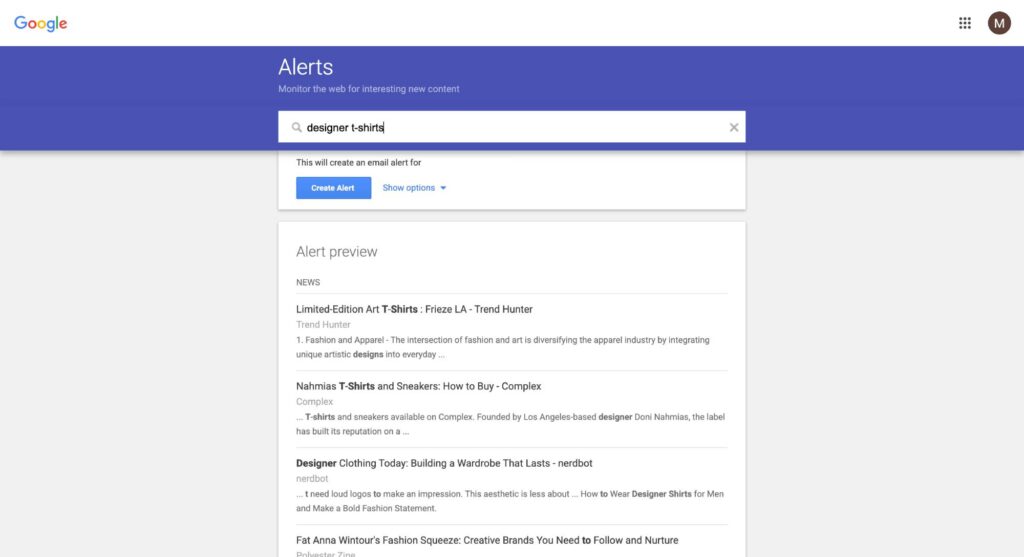
Google Alerts
Track competitor brand names, product names and authors to catch new mentions early.
Free backlink checkers
Tools like Ahrefs Free Backlink Checker or Moz Link Explorer give you limited but useful snapshots of competitor links.
Paid tools
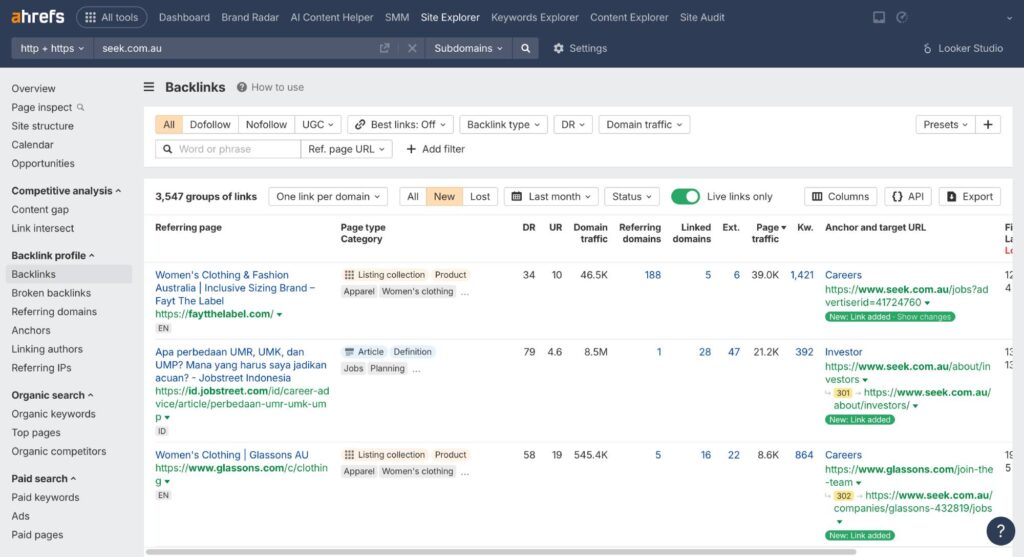
If you want deeper data, paid tools give you full backlink profiles.
Ahrefs, SEMrush, Moz, Ubersuggest are all fantastic SEO tools.
These platforms reveal:
- All competitor backlinks
- Anchor text
- Link type
- Domain authority
- Lost and broken links
- Link intersect opportunities
The link intersect feature is especially powerful—it shows you sites that link to multiple competitors but not to you. These are high‑intent, high‑probability wins.
How to Analyse Competitor Backlinks
Once you’ve uncovered where your competitors are getting their links, the next step is working out which of those links are actually worth pursuing.
Not every backlink your competitors have is valuable, and not every backlink can be replicated. Analysing competitor backlinks properly is what separates a strategic link‑building approach from a scattergun one.
When you’re trying to steal your competitors’ backlinks, you need a simple, reliable way to filter the noise.
A structured scoring system helps you prioritise the opportunities that will genuinely improve your authority and rankings.
Why analysis matters before outreach
Many people jump straight into outreach after exporting a competitor’s backlink list. That’s a mistake. Competitor backlink profiles often contain:
- spammy directory links
- irrelevant blog comments
- low‑quality guest posts
- paid placements
- links from sites with no editorial standards
- links that are impossible to replicate
If you chase everything, you waste time and dilute your efforts. Proper analysis ensures you focus only on the links that are relevant, replicable and capable of moving your rankings.
A simple scoring model for competitor backlinks
A practical way to analyse competitor backlinks is to score each link across four factors: Relevance, Authority, Replicability and Intent. This gives you a clear picture of which links are worth pursuing and which ones you should ignore.
Relevance: Does the link make sense for your niche?
Relevance is the strongest indicator of whether a backlink will help you. Google cares deeply about topical alignment.
A link from a site that regularly publishes content in your niche is far more valuable than a random link from an unrelated blog.
Ask yourself:
- Does this site publish content related to my industry?
- Would my audience realistically visit this site?
- Does the linking page cover a topic I can contribute to?
If the answer is no, move on.
Authority: Is the linking site trustworthy?
Authority isn’t just about Domain Rating or Domain Authority. It’s about whether the site has:
- a clean backlink profile
- real editorial oversight
- consistent publishing standards
- genuine traffic
- no obvious spam patterns
A link from a smaller but reputable niche site is often more valuable than a link from a high‑DR site with questionable practices.
Replicability: Can you realistically earn this link?
This is where many competitor backlink strategies fall apart. Some links simply can’t be replicated, no matter how hard you try.
Examples of non‑replicable links:
- private partnerships
- paid placements
- exclusive sponsorships
- personal relationships
- internal company links
Examples of replicable links:
- resource pages
- listicles
- guest posts
- broken link replacements
- unlinked mentions
- expert roundups
- directory citations
If you can’t replicate it, don’t chase it.
Intent: Why did the site link to your competitor?
Understanding link intent is the secret to stealing competitor backlinks effectively. Every link exists for a reason, and once you understand that reason, you can recreate the same conditions for your own site.
Common link intents include:
Value intent
The competitor created a useful guide, tool or resource.
Context intent
The competitor was mentioned in a listicle, comparison or roundup.
Relationship intent
The competitor contributed a guest post, interview or expert quote.
Fix intent
The competitor filled a broken link or outdated reference.
News intent
The competitor was featured in a story, announcement or update.
When you understand the intent behind the link, you can tailor your outreach and content to match it.
How to apply the scoring system
Give each backlink a score out of 5 for each factor:
- Relevance
- Authority
- Replicability
- Intent
Links that score highly across all four categories are your priority targets. These are the links that will help you steal your competitors’ backlinks in a way that is efficient, ethical and impactful.
What a high‑value competitor backlink looks like
A strong backlink opportunity usually has:
- a niche‑relevant site
- a clean, authoritative profile
- a clear reason for linking
- a replicable format (resource page, listicle, guest post, etc.)
- a linking page that still receives traffic
These are the links that genuinely move rankings and build long‑term authority.
The Types of Competitor Backlinks You Can Steal (Ranked by Ease)
When you’re trying to steal your competitors’ backlinks, not all link types are created equal. Some are incredibly easy to replicate with a simple email.
Others require stronger content, a relationship or a bit of creativity. Understanding the different backlink types helps you prioritise the opportunities that deliver the biggest impact with the least effort.
Below is a breakdown of the most common competitor backlink types you can steal, how they work, and why they matter.
Resource pages
Resource pages are some of the easiest and most reliable backlinks to replicate. These pages exist specifically to link out to helpful tools, guides, articles or services.
If your competitor is listed on a resource page, it means the site owner is open to adding external links that genuinely help their audience.
Why these are easy wins:
- They’re designed to link out
- They’re usually curated by editors who appreciate useful content
- They often accept new submissions
- They tend to be evergreen, meaning the link can drive traffic for years
How to steal these backlinks:
- Create a guide, tool or resource that matches the theme
- Email the site owner with a short, value‑focused pitch
- Highlight what your resource adds that the competitor’s doesn’t
Listicles and roundups
If your competitor appears in a “Top 10 Tools”, “Best Services”, or “Recommended Resources” article, you can often request inclusion.
These articles are updated regularly, especially if they target competitive keywords.
Why these are high‑value:
- They often rank well and drive consistent referral traffic
- They’re updated frequently, giving you multiple chances to be added
- They’re editorially curated, which boosts trust
How to steal these backlinks:
- Show why your product or content deserves inclusion
- Offer a quick summary the writer can paste in
- Provide a unique angle or feature that differentiates you
Guest posts
Guest posts are one of the most straightforward ways to steal your competitors’ backlinks.
If a site has accepted a guest post from your competitor, they’re clearly open to contributions from experts in your niche.
Why these are replicable:
- The site already accepts guest content
- You can pitch a fresh angle or updated topic
- You control the anchor text and link placement
How to steal these backlinks:
- Review your competitor’s guest post to understand the tone and topics
- Pitch a complementary or more current idea
- Provide a short outline to make acceptance easier
Unlinked mentions
Sometimes a site mentions your brand, product or content without linking to you. These are some of the easiest backlinks to secure because the site already knows who you are.
Why these are quick wins:
- The site already referenced you
- You’re not asking for new content, just a small edit
- Editors often appreciate the correction
How to steal these backlinks:
- Use tools or alerts to find mentions
- Politely request that the mention be linked
- Explain that it helps readers find the correct source
Broken links
Broken link building is a classic tactic for a reason. If a competitor’s link is broken, outdated or pointing to a removed page, you can step in with a replacement.
Why these are powerful:
- You’re solving a problem for the site owner
- Broken links harm user experience, so editors are motivated to fix them
- You can often win links from high‑authority pages
How to steal these backlinks:
- Identify broken competitor links using tools
- Create or update a resource that matches the original intent
- Offer your link as a clean replacement
Supplier or partner links
If your business works with suppliers, partners, manufacturers or associations, you can often request a link from their websites. These links are common in eCommerce, SaaS integrations and local businesses.
Why these are reliable:
- They’re based on real relationships
- They’re usually high‑trust and relevant
- They’re easy to replicate if your competitor already has them
How to steal these backlinks:
- Identify which partners link to your competitors
- Reach out to your own partners with a simple request
- Provide a short description they can add to their site
Local citations
For local businesses, competitor citations reveal directories, local publications and community sites that you can target. These links help with both organic rankings and local SEO visibility.
Why these matter:
- They’re easy to replicate
- They improve local search signals
- They often include NAP consistency benefits
How to steal these backlinks:
- Export your competitor’s citations
- Submit your business to the same directories
- Ensure your details are consistent across all listings
How to Steal Your Competitors’ Backlinks Step by Step
Once you’ve identified the backlink opportunities worth pursuing, the next step is turning that insight into a repeatable, efficient workflow.
The goal is to steal your competitors’ backlinks in a way that feels natural, value‑driven and scalable. This is where most people fall down; they either overcomplicate the process or rely on generic outreach that never gets a response.
The workflow below is designed to be simple, predictable and effective, even if you’re working with limited tools or budget.
Identify your top competitors
Start by choosing three to five competitors who consistently outrank you for your target keywords. These should be sites that:
- publish similar content
- target the same audience
- operate in the same niche
- have strong backlink profiles
Avoid massive global brands unless they’re genuinely direct competitors. You want sites whose backlink strategies you can realistically replicate.
Export their backlink data
Use a mix of free and paid tools to gather as much backlink data as possible. The more sources you use, the clearer the picture becomes. Include a backlink monitor tool, some SEO software and free tools like we discussed above.
Look for:
- referring domains
- linking pages
- anchor text
- link type (editorial, resource, guest post, etc.)
- lost links
- broken links
- link velocity trends
This gives you a complete map of how your competitors are earning authority.
Filter by relevance and replicability
This is where you separate the gold from the noise. Not every competitor backlink is worth chasing, and not every backlink can be stolen.
Remove:
- spammy directories
- irrelevant blogs
- low‑quality guest posts
- paid placements
- private partnerships
- links from unrelated industries
Keep:
- resource pages
- listicles
- guest posts
- broken link opportunities
- unlinked mentions
- niche‑relevant blogs
- industry publications
This ensures you’re only pursuing links that will genuinely help your rankings.
Categorise the opportunities
Grouping your opportunities makes outreach faster and more organised. Create simple categories such as:
- Resource pages
- Listicles and roundups
- Guest post opportunities
- Broken links
- Unlinked mentions
- Local citations
- Partner or supplier links
Each category has its own outreach style and success rate, so categorising helps you tailor your approach.
Prepare your assets
Before you reach out, make sure your content is strong enough to deserve the link. This is where many people fail; they pitch outdated or thin content and wonder why no one responds.
Improve your assets by:
- updating statistics
- adding visuals
- improving clarity
- expanding sections
- adding expert quotes
- making the content more comprehensive than your competitor’s
If you want to steal your competitors’ backlinks, your content needs to be the better option.
Try LinkClerk for free
Weekly backlink audits without the manual work. Try a free trial today!
Craft tailored outreach
Generic outreach templates are the fastest way to get ignored. Editors, bloggers and site owners receive dozens of these emails every week.
Your outreach should be:
- short
- specific
- polite
- value‑driven
- personalised
A strong outreach message includes:
- a reference to the exact page
- a quick explanation of why your content adds value
- a clear, simple request
- no pressure or pushiness
The more relevant and respectful your message, the higher your success rate.
Track your progress
A simple tracking system helps you stay organised and consistent. You don’t need fancy software; a spreadsheet works perfectly.
Track:
- the site
- the linking page
- the backlink type
- the outreach date
- follow‑up dates
- responses
- wins
- lost opportunities
Tracking helps you refine your approach, identify patterns and scale your efforts over time.
Follow up (without being annoying)
Most backlinks are won in the follow‑up, not the first email. People are busy, inboxes are messy and your message may simply get buried.
A good follow‑up strategy:
- waits 5–7 days
- is polite and brief
- references the original message
- offers value, not pressure
Two follow‑ups are usually enough. If you don’t hear back after that, move on.
Repeat the process weekly
The real power of this workflow comes from consistency. Competitor backlink profiles change constantly; new links appear, old links break, mentions pop up, and opportunities shift.
A weekly routine helps you:
- catch new opportunities early
- monitor competitor link velocity
- maintain steady link growth
- stay ahead of your niche
This is how you build a sustainable, long‑term system to steal your competitors’ backlinks without burning out.
Automation: How to Monitor Competitor Backlinks Weekly
If you want to consistently steal your competitors’ backlinks, you need a lightweight monitoring system.
Set up Google Alerts
Track competitor brand names, authors and product names.
Use a simple spreadsheet
Record new links, lost links and outreach attempts.
Monitor link velocity
If a competitor suddenly gains a burst of links, investigate the source—it may be a new campaign or resource page you can target.
Review your own link profile regularly
Spot patterns, wins and opportunities to double down.
Automation keeps you ahead of your competitors instead of reacting months later.
Conclusion: Build a Repeatable Competitor Backlink System
Stealing your competitors’ backlinks is not a one‑off tactic. It’s a long‑term strategy that gives you a clearer, more predictable path to stronger rankings.
Instead of guessing where to build links or chasing random opportunities, you’re working from a proven blueprint based on what already succeeds in your niche. That alone puts you ahead of most site owners who still rely on luck, outdated tactics or scattergun outreach.
When you consistently analyse competitor backlinks, you start to see patterns that reveal exactly how your industry works. You learn which sites link freely, which publications update their listicles, which resource pages accept submissions, and which blogs welcome guest contributors.
You also learn which types of content attract the most links, which helps you shape your own publishing strategy with far more confidence.
The real power of this approach comes from turning it into a weekly habit. Competitor backlink profiles change constantly. New mentions appear, old links break, fresh listicles get published and editors update their resource pages.
When you monitor these shifts regularly, you’re always in a position to act early. That’s how you consistently steal your competitors’ backlinks before anyone else notices the opportunity.
Most importantly, this strategy forces you to improve your own content. To win the same links your competitors have, you need to offer something better, clearer or more useful.
Over time, that lifts the overall quality of your site, which strengthens your authority and makes future link building even easier.
If you approach this with patience, structure and a genuine focus on value, you’ll build a backlink profile that doesn’t just match your competitors; it surpasses them. And once you have a repeatable system in place, your link growth becomes steady, predictable and far less dependent on luck.